
 There are reports that flickr may be in trouble. Well, it is owned by Yahoo, so maybe we shouldn't be too surprised.
When loic le meur (he of Seesmic fame) heard this he wondered outloud (on twitter) if he should start backing up his years of images.
This is the social web's equivalent of a failing bank scenario.
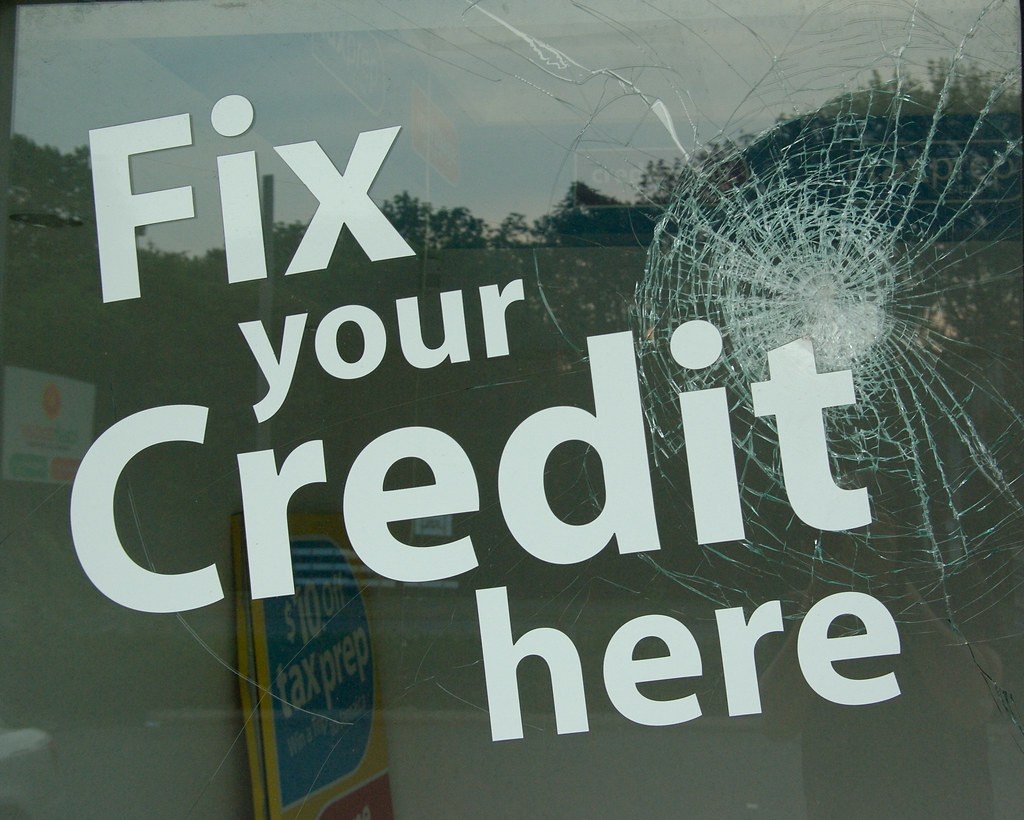
We have invested our content in it and now we're fearful that we might have been better off stashing it under our mattresses. We're worried if the bank fails, our investment disappears. (Image courtesy Travis Truman)
When we contribute content that we value, in the joint creation of a site such as blogger or flickr, we not only insist on retaining ownership of our content (traditional media companies really struggle with that bit), we need confidence that this content will be stored safely and not evaporate over night. Just as we do when we hand our cash to a bank.
In both cases we hope to create a little extra interest for ourselves along the way and recognise that our service provider has to find a way of making a return on their investment (the platform or bank) in return.
If Flickr were to fail, how would that change your online generosity?
Of course, Flickr would not be the first to disappear, taking our treasured content with it. But it would be the first co-created giant of the social media age to tank.
Imagine the holes it's sudden desctruction would leave across millions of websites and blogs... there would be one on this blogpost, for a start.
Is Flickr is too big to fail? Given the interconnectivity of the web, can anything which stores and shares be allowed to fail?
Perhaps it is time for a bail out strategy - time for a global institution to guarantee our content investments are protected, the assets safely transferred and made accessible to us in the event of failure - so we can reinvest them elsewhere if we choose.
There are some regulation issues opened up by this, such as, do you have to comply with T&Cs of the bail-out guardians in order to have your web service covered? Who gets to set the rules? etc
But without some kind of guarantor does the web face a credit crunch all of its own where we as investors of our content start becoming more wary about who we will lend it to.
Let's not underplay this. These loans are the very reason businesses from twitter to facebook, wikipedia to google can exist at all.
The web has grown through peer-to-peer content creation and distribution. We contribute on the understanding we can always get it back (which at least means access it online and share it with others).
As we increasingly rely on the cloud for our storage requirements, the providers of those clouds will have to come up with protection for lenders which include exit/bail-out strategies whether lightning strikes or financial storms come.
What kind of terms and conditions would restore your confidence as a contributor? What terms and conditions would you find acceptable as a platform creator?
![Reblog this post [with Zemanta]](http://img.zemanta.com/reblog_e.png?x-id=ba8861d6-12dd-4e7a-9e31-f48145025ce4)


